Sleep Apnea, Snoring & Sleeping Problems
People in the United States suffer with different forms of sleep disorders. Proof of that is the growing availability of medication to help people fall or stay asleep.
We should spend about one third of the 24 hour cycle sleeping. We now understand that sleep is a critical process that helps the body recover and allows processing of information. Losing sleep may lead to significant functional and mental deficiencies.
Snoring
The cause of snoring is having a blockage in the airway passage. When the airflow in the breathing passage becomes irregular due to the blockage, the soft palate will start vibrating. This vibrating of the soft palate is what causes the snoring sound.
Snoring is a problem if:
you stop breathing during sleep and have to wake up to catch your breath
you are disturbing your sleep partner
you are losing sleep because of your snoring
In addition to problems stemming from sleep deprivation, snoring can cause more serious health problems.
Snoring has been linked to increased risk of stroke; diabetes; high blood pressure; and heart disease. Snoring can also be a symptom of sleep apnea.
Sleep Apnea
Snoring may be a sign of a more serious problem called Obstructive Sleep Apnea or OSA which is a partial or complete obstruction of the airway while we sleep preventing the adequate intake of oxygen. Sleep Apnea is a serious condition that can cause significant health problems and even death.
Sleep Apnea can manifest in morning fatigue, headaches, problems remembering information or concentrating.
If you think you might be suffering from a sleep disorder Dr. Marin can evaluate the need for a sleep study and suggest different alternatives to help address these problems.
Other Sleeping Problems include:
- Insomnia
- Narcolepsy
- Restless Leg Syndrome
- Periodic Limb Movement Disorder (PLMD)
Please feel free to ask Dr. Marin about Sleep Apnea, Snoring, or other Sleeping Problems by calling 626.810.5000 for more information.
TMJ and TMD Disorders
TMJ (Temporo-Mandibular Joint) or TMD (Temporo-Mandibular Dysfunction) refers to a number of problems that involve the joints and the muscles involved in chewing.
Your jaw joints can become misaligned and just like other joints in your body, can suffer from overloading and degenerative changes. Problems of the joints can range from limited range of motion to arthritis. It is generally believed that problems of the TMJs originate from trauma, misaligned bite and excessive overload from clenching or grinding.
Symptoms of TMJ/TMD vary and may include noises in the joints when opening and closing, ear ringing and pain, headaches and migraines, sore-tired jaw and neck muscles. Many of these symptoms are often overlooked by other doctors and people may suffer or undergo treatment with prescription medication for multiple years without realizing that there is a structural problem that can be resolved.
Dr. Marin is a member of the American Academy of Craniofacial Pain and has received extensive training in detecting and treating problems of the TMJs.
Oral Surgery Department
Our office has an Oral Surgery Department that provides the following services:
- Atraumatic teeth extractions
- Intravenous conscious sedation
- Wisdom teeth extractions
- Ridge preservation
- Dental Implants
- Bone grafting and bone regenerative procedures
There is nothing “quick” about getting dental implants.
We know that advertising campaigns have led people to believe that they can get permanent teeth in one visit, but the reality is that if you want long-lasting results, the most important factor is planning.
That means understanding your individual dental situation. And it involves working with the right people that can get the best job done with the least possible impact to your health or your pocket.
Our specialist Dr. Apel Kheorughlian is an Oral Maxilo-Facial surgeon and an M.D. who is an expert in replacing anything from a single tooth to all missing teeth with dental implants.
Our treatment philosophy is using the best available materials to fit your personal situation. We avoid potential complications and get more predictable results. In this, West Covina Smiles has an excellent track record of success.
Dentures
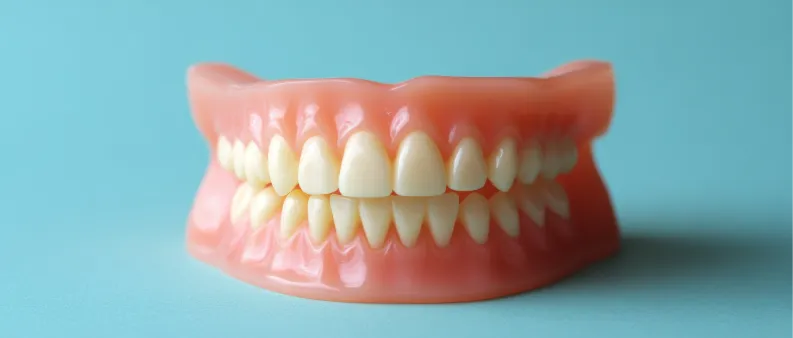
Dentures may not be the first option for everyone, but for sorne patients they are the right solution-and when they are needed, they should fit well, look natural, and allow you to enjoy everyday life with confidence.
At West Covina Smiles, our focus with dentures is comfort, function, and appearance. We take the time to ensure each denture is carefully designed to fit securely, feel comfortable, and restore your ability to eat, speak, and smile more confidently.
Dentures come in different designs depending on your needs. Sorne are fully removable, while others can be supported by remaining teeth or dental implants for added stability.
We help patients understand their options and choose the approach that best fits their health, lifestyle, and goals.
Our goal is not simply to replace missing teeth-but to help patients regain confidence, comfort, and quality of life with a solution that feels right for them.